Our Ciprofloxacin intermediates are engineered to deliver exceptional synthetic performance through stringent control of chemical purity and structural integrity. Each batch undergoes comprehensive analytical validation, including high‑resolution HPLC and spectroscopic confirmation, to ensure consistency in downstream API synthesis. These intermediates exhibit excellent chemical stability under controlled storage conditions, supporting reliable handling in complex reaction sequences. With well‑defined impurity profiles and reproducible quality, they reduce process variability and facilitate scale‑up from laboratory to commercial manufacture. Our supply adheres to industry‑recognized standards, enabling seamless integration into regulated pharmaceutical production.
Ciprofloxacin Intermediates Characteristics
Controlled Impurity Profile: Precisely defined impurity spectrum ensures reliable downstream synthesis and regulatory compliance.
Optimized Reactivity: Engineered for predictable chemical behavior, enabling efficient and high-yield transformations.
Scalable Consistency: Performance remains uniform from laboratory trials to full-scale commercial production.
| Name | CAS Number | Molecular Formula | Molecular Weight(g/mol) | Chemical Structure |
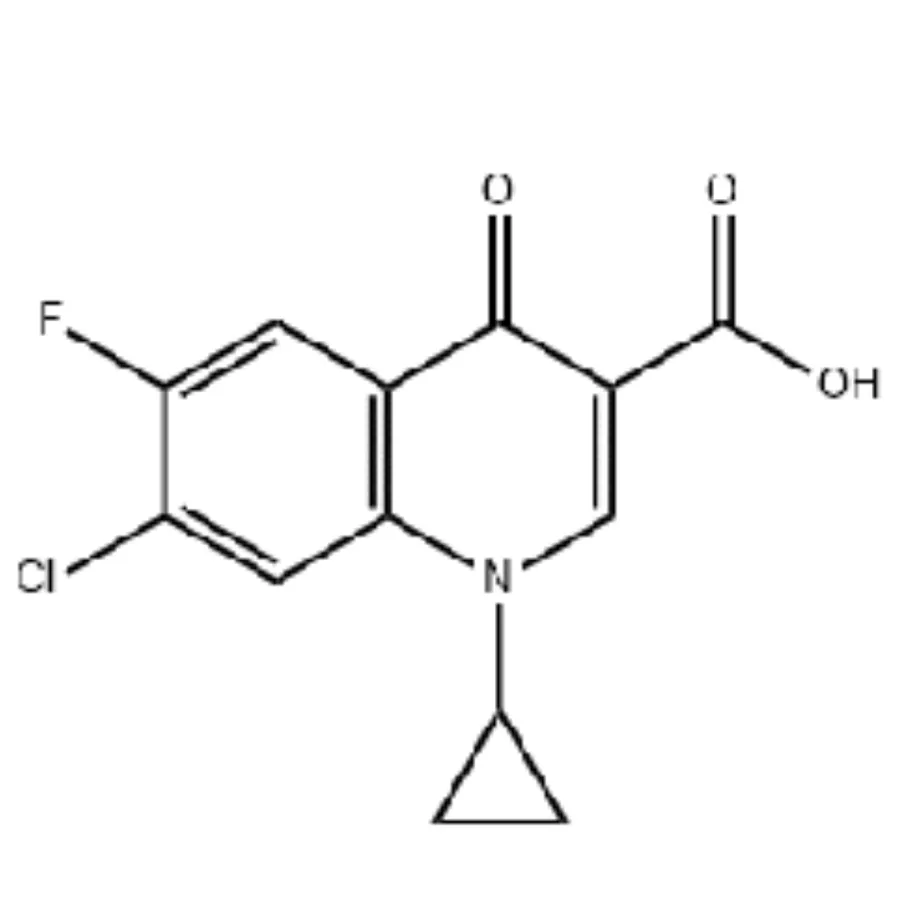
| 7‑Chloro‑1‑cyclopropyl‑6‑fluoro‑4‑oxoquinoline‑3‑carboxylic acid | 86393‑33‑1 | C13H9ClFNO3 | 281.67 | ![]() |

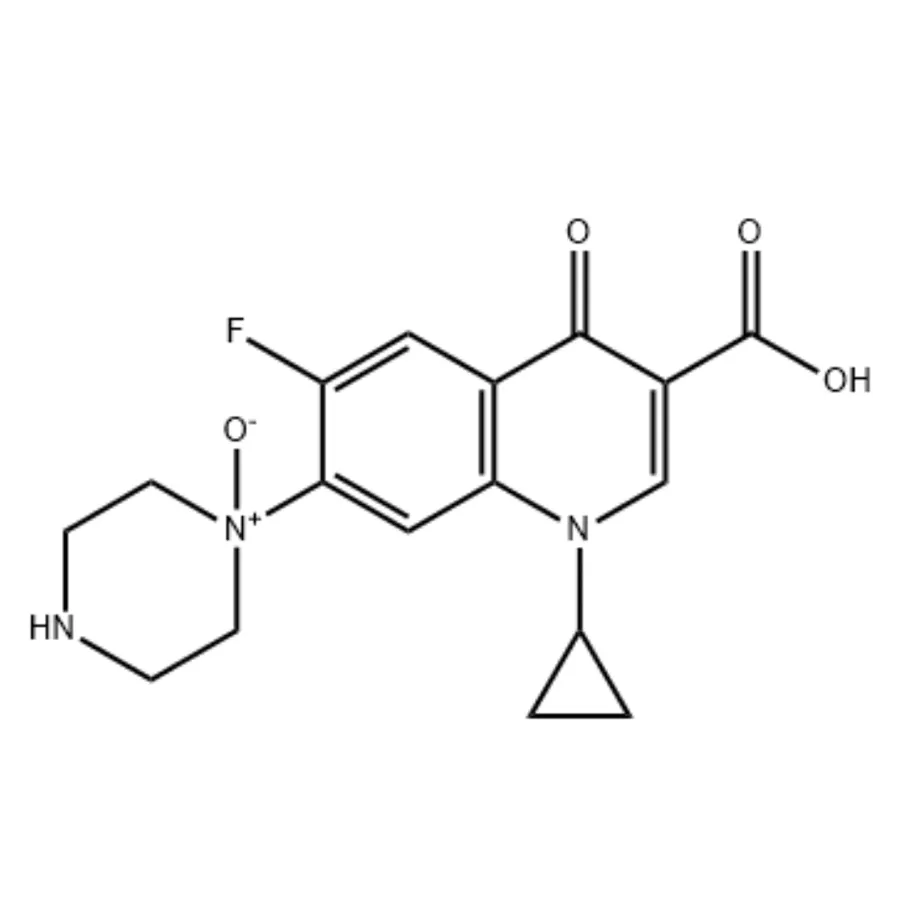
| Ciprofloxacin N‑Oxide | 860033-22-3 | C17H18FN3O4 | 347.34 | ![]() |

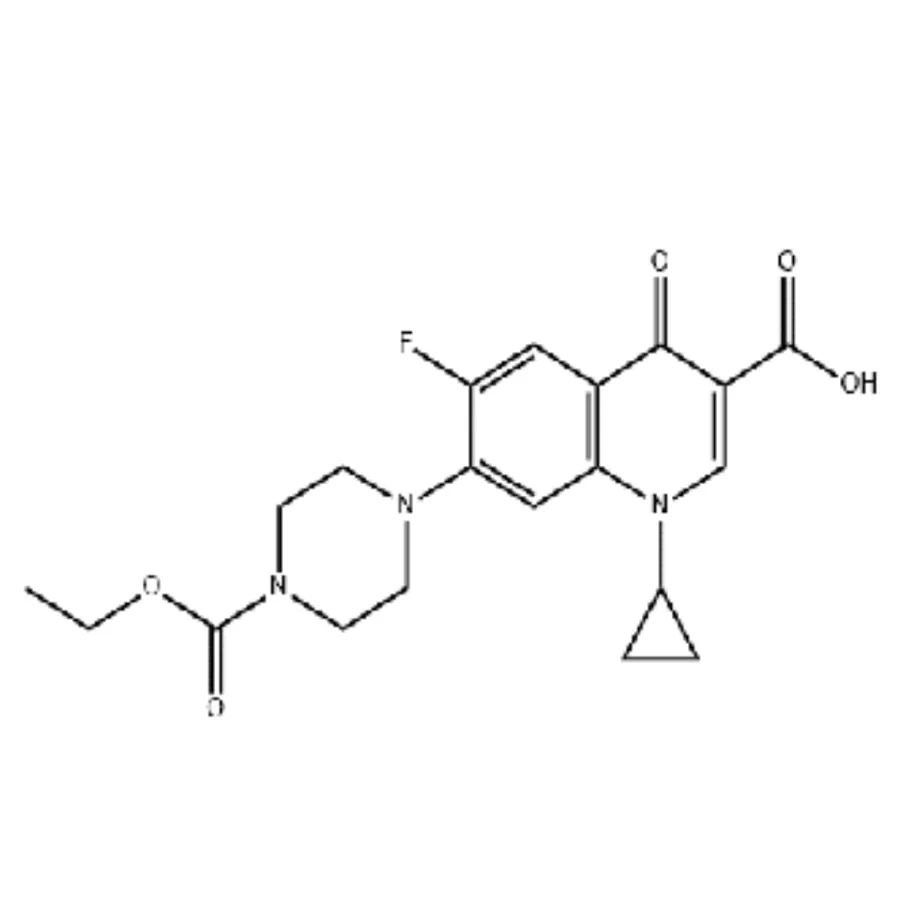
| N‑Ethoxycarbonyl‑ciprofloxacin | 93594‑29‑7 | C20H22FN3O5 | 403.4 | ![]() |

Ciprofloxacin intermediates serve as the essential building blocks for the synthesis of ciprofloxacin, a fluoroquinolone antibiotic. These intermediates contain the quinolone core and functional groups necessary for the final active molecule. During the multi-step synthetic process, they undergo specific chemical transformations, including cyclization, halogenation, and substitution reactions, to construct the complete fluoroquinolone scaffold. By providing defined chemical reactivity and consistent purity, these intermediates ensure high-yield formation of the final API, ultimately enabling ciprofloxacin to inhibit bacterial DNA gyrase and topoisomerase IV, disrupting bacterial replication and survival.
Ciprofloxacin – Bacterial Infections
Derived from intermediates, ciprofloxacin inhibits bacterial DNA gyrase and topoisomerase IV, preventing DNA replication and effectively treating urinary tract and respiratory infections.
Norfloxacin – Urinary Tract Infections
Synthesized using fluoroquinolone intermediates, norfloxacin disrupts bacterial DNA processes, providing rapid antibacterial activity against Gram-negative pathogens in urinary tract infections.
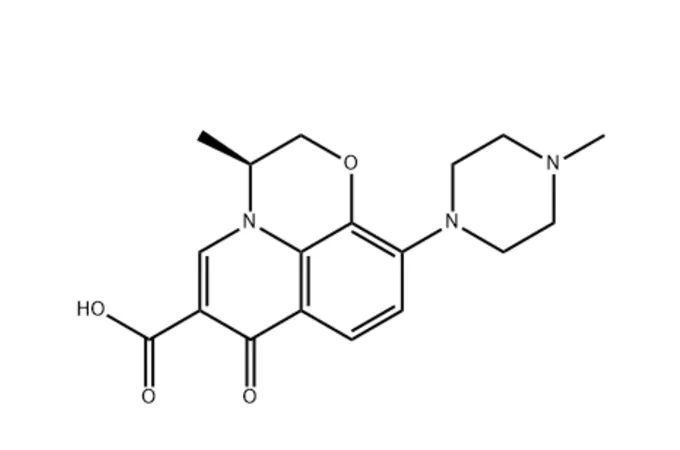
Levofloxacin – Community-Acquired Pneumonia
Built from ciprofloxacin-related intermediates, levofloxacin blocks bacterial DNA enzymes, halting replication and offering potent treatment for respiratory and systemic bacterial infections.
B608, #25 Shenbin Rd, Minhang District, Shanghai, China