Clopidogrel intermediates are essential pharmaceutical building blocks used in the multi‑step synthesis of Clopidogrel, a widely prescribed antiplatelet prodrug that helps prevent thrombotic cardiovascular events. These intermediates include key chiral and functional compounds such as S‑(+)-Methyl‑2‑(2‑chlorophenyl)glycinate and related thiolactone derivatives, which enable efficient synthesis with high yield and purity. They are manufactured under strict quality standards to ensure consistent performance in downstream API production and to meet regulatory requirements for enantiomeric excess and impurity control.
Clopidogrel Intermediates Characteristics
Precision‑engineered Chiral Intermediates: Designed to maintain stereochemical integrity, supporting efficient synthesis of the active Clopidogrel form.
Enhanced Process Efficiency: Facilitates smoother reactions with minimal impurities, enabling higher throughput in API production.
Robust Storage & Handling: Stable under standard industrial conditions, ensuring consistency from production to downstream processing.
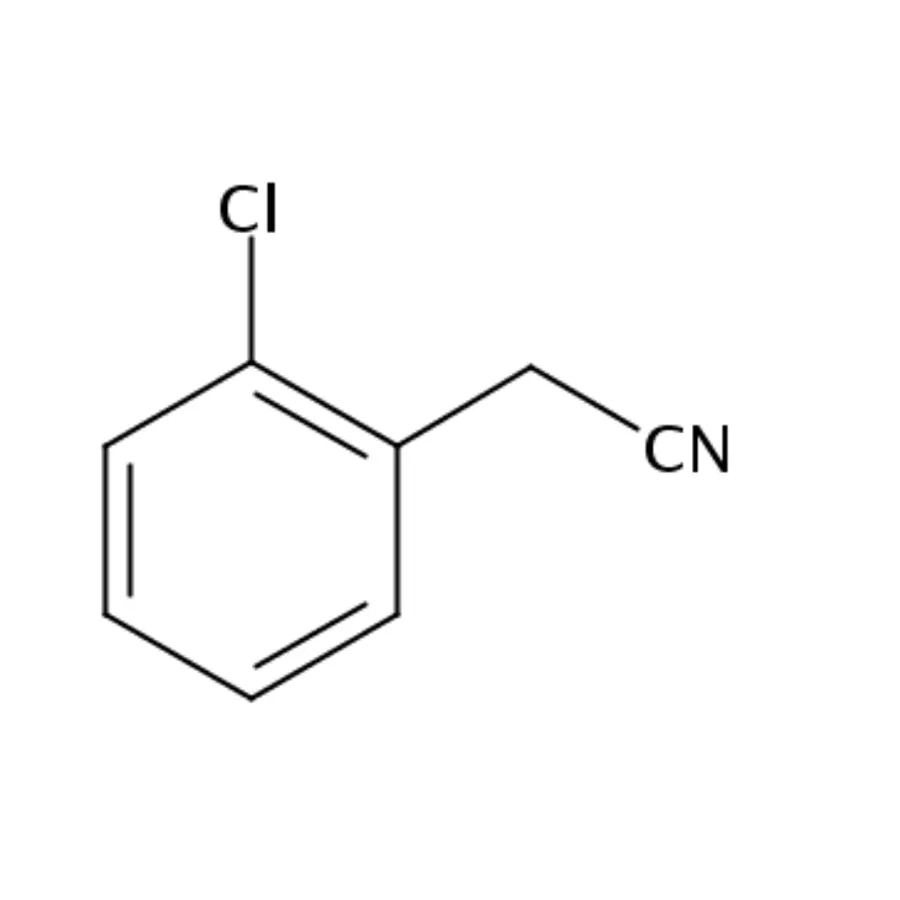
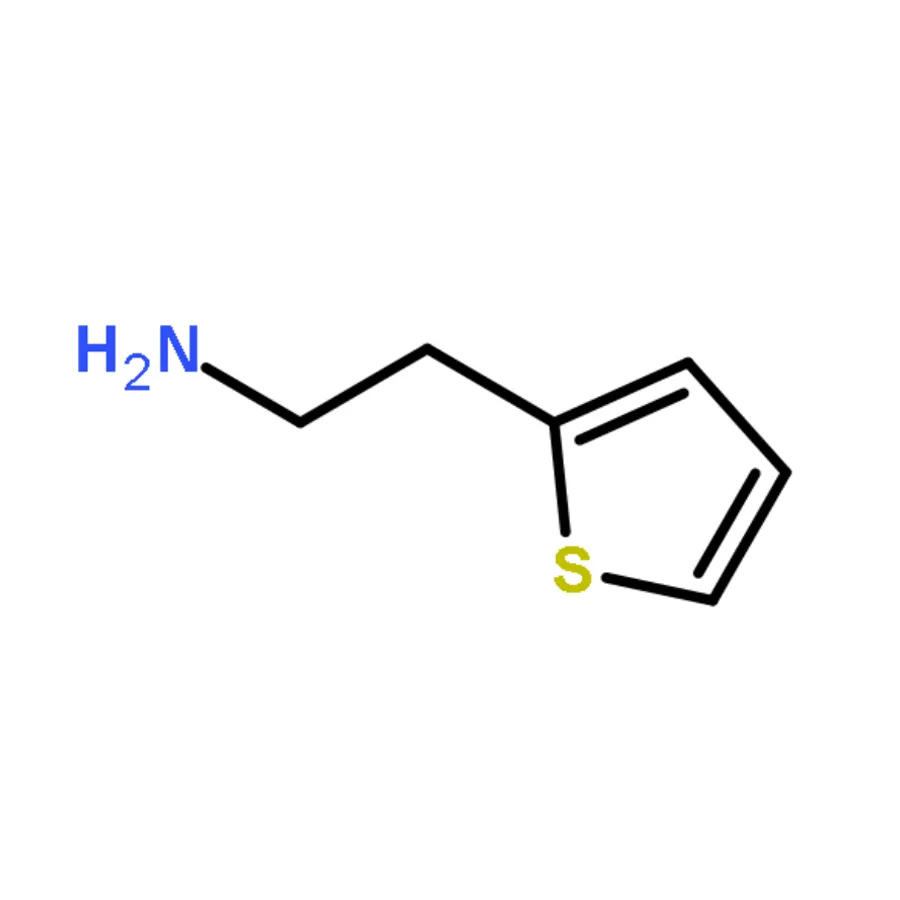
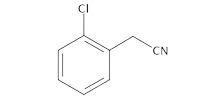
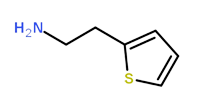
| Name | CAS Number | Molecular Formula | Molecular Weight(g/mol) | Chemical Structure |
| 2-Chlorobenzyl cyanide | 2856-63-5 | C8H6ClN | 151.6 | ![]() |
| 2-Thiopheneethylamine | 30433-91-1 | C6H9NS | 127.21 | ![]() |
Mechanism of Action (Clopidogrel Intermediates – Technical Description):
Clopidogrel intermediates play a crucial role in the hepatic bioactivation of clopidogrel, an antiplatelet prodrug that itself is pharmacologically inactive. After oral administration, clopidogrel undergoes extensive first‑pass metabolism; ~85 % is hydrolyzed to an inactive acid, while the remaining fraction is oxidized by multiple cytochrome P450 (CYP) enzymes to form a key oxidative intermediate, 2‑oxo‑clopidogrel. This intermediate is further metabolized through a second CYP‑mediated step to generate the active thiol metabolite. The active metabolite irreversibly binds the P2Y₁₂ ADP receptor on platelet surfaces, blocking ADP‑mediated platelet activation and aggregation, thereby exerting antithrombotic effects. The efficiency of intermediate formation significantly influences overall bioactivation and clinical efficacy.
Clopidogrel (antiplatelet drug)
Key intermediates like 2‑oxo‑clopidogrel enable hepatic bioactivation, leading to an active thiol that irreversibly inhibits P2Y₁₂ receptors to prevent arterial thrombosis.
Vicagrel (antithrombotic agent)
Shares the 2‑oxo‑clopidogrel intermediate; hydrolysis bypasses first‑step oxidation and increases formation of active metabolite that blocks platelet ADP receptors.
Prasugrel (platelet aggregation inhibitor)
Uses similar intermediate bioactivation pathways for a thiol metabolite that antagonizes P2Y₁₂, reducing platelet aggregation in coronary artery disease.
B608, #25 Shenbin Rd, Minhang District, Shanghai, China