Shanghai Yunsong Chemical Co., Ltd.
  • Fluorinated Intermediates
  • Fluorinated Intermediates
  • Fluorinated Intermediates
  • Fluorinated Intermediates
  • Fluorinated Intermediates
  • Fluorinated Intermediates

Fluorinated Intermediates

Fluorinated intermediates are specialized chemical building blocks containing fluorine atoms, widely utilized in the synthesis of high-performance active pharmaceutical ingredients (APIs). The introduction of fluorine into molecular structures significantly alters physicochemical properties, including lipophilicity, electronic distribution, and metabolic stability. Due to the strong carbon–fluorine bond, these intermediates help reduce metabolic degradation and prolong the half-life of drug molecules in vivo.

Moreover, fluorinated intermediates enhance binding affinity to biological targets by modulating molecular interactions at the receptor level. As a result, they are extensively applied in the development of drugs across therapeutic areas such as oncology, central nervous system disorders, and anti-infective treatments, playing a critical role in modern medicinal chemistry and drug optimization.


Fluorinated Intermediates Characteristics

  • Metabolic Stability Enhancement: Fluorine incorporation strengthens molecular resistance to metabolic degradation, extending drug half-life and improving in vivo stability for more effective therapeutic performance.

  • Target Interaction Optimization: Modifies electronic properties and molecular polarity, enhancing binding affinity and selectivity toward biological targets in complex drug design processes.

  • Pharmacokinetic Improvement: Improves absorption, distribution, and bioavailability profiles, enabling better control over drug behavior and overall therapeutic efficiency.

Specification of Fluorinated Intermediates

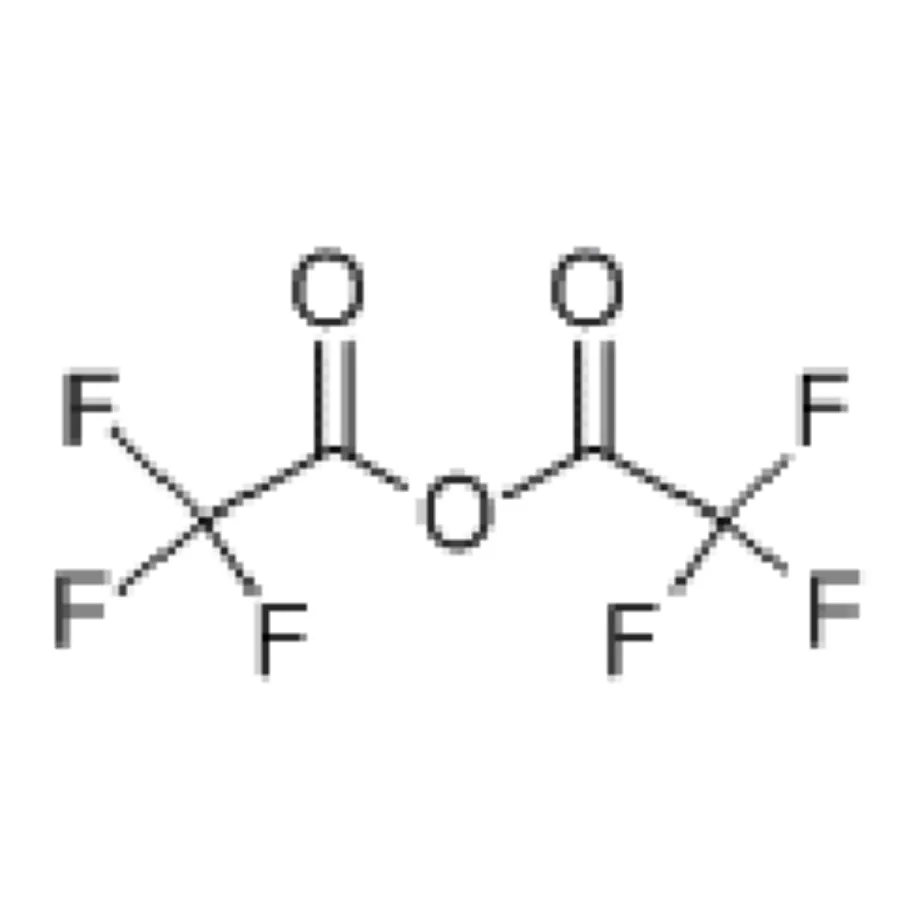
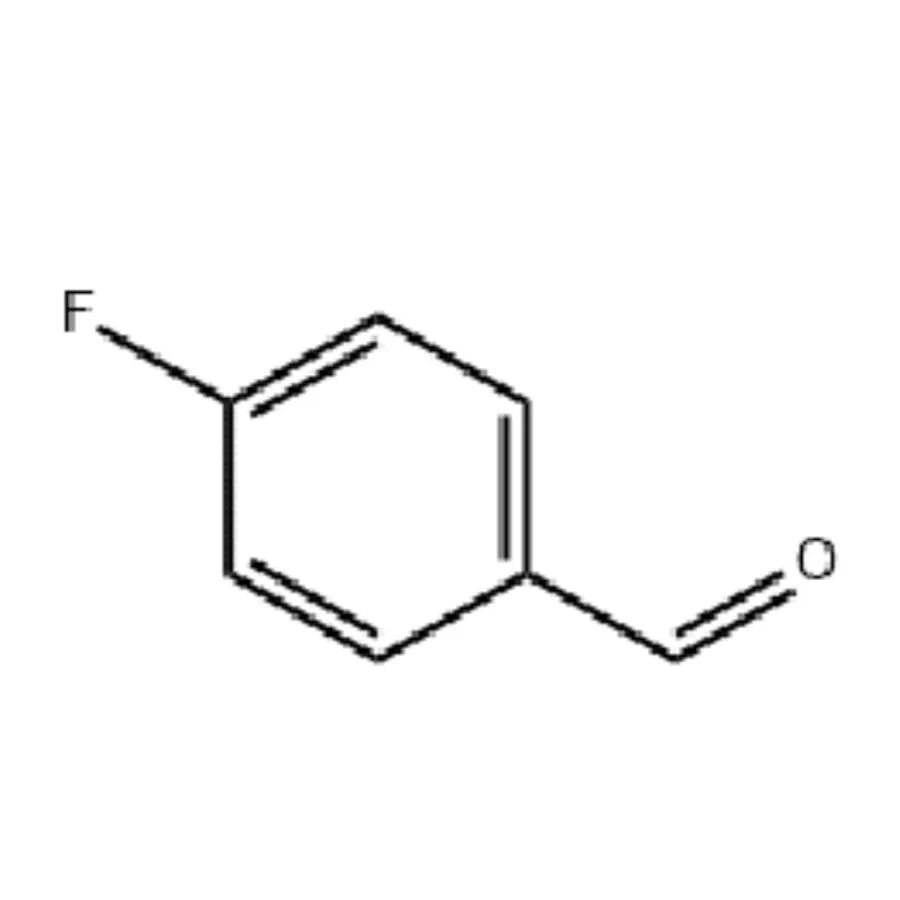
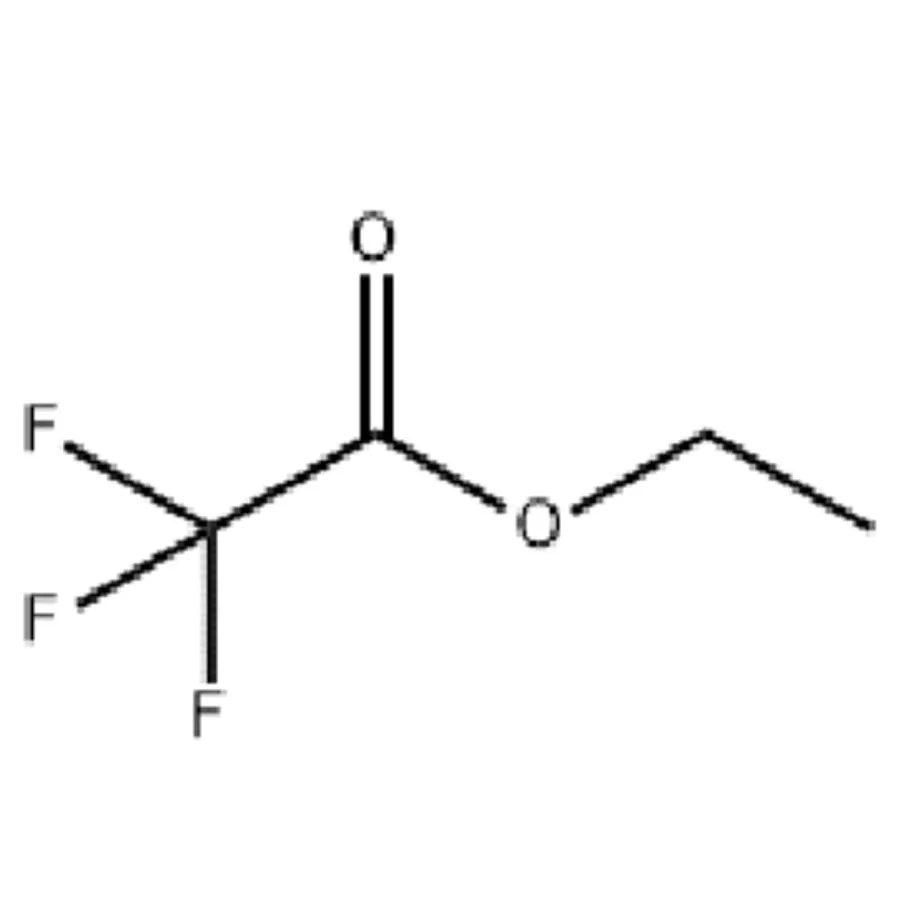
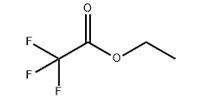
NameCAS NumberMolecular FormulaMolecular Weight(g/mol)Chemical Structure
Trifluoroacetic anhydride407-25-0C4F6O3210.03Trifluoroacetic anhydride
4-Fluorobenzaldehyde459-57-4C7H5FO124.114-Fluorobenzaldehyde
Ethyl trifluoroacetate383‑63‑1C4H5F3O2142.08Ethyl trifluoroacetate


Fluorinated Intermediates Mechanism of Action

Fluorinated intermediates exert their functional role by introducing fluorine atoms into organic molecules, which significantly influences molecular behavior at both chemical and biological levels. The strong electronegativity of fluorine alters electron distribution, enhancing bond strength and improving resistance to enzymatic degradation. This modification can stabilize specific conformations of drug molecules, allowing more precise interaction with biological targets such as enzymes or receptors. Additionally, fluorine substitution can modulate lipophilicity, facilitating membrane permeability and improving cellular uptake. Through these combined effects, fluorinated intermediates contribute to enhanced pharmacokinetics, target selectivity, and overall therapeutic performance of the final API.


Fluorinated Intermediates Are Key Precursors

01

Esomeprazole/Acid-related Disorders

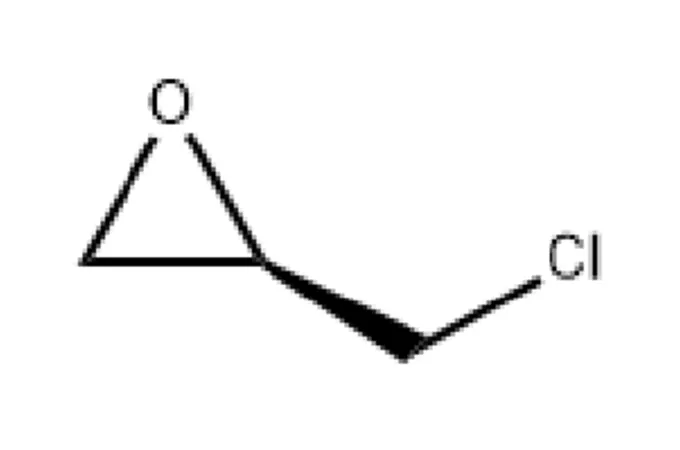
Chiral intermediates enable selective synthesis of the S-isomer, improving proton pump inhibition efficiency and providing enhanced control over gastric acid secretion.

02

Sitagliptin/Type 2 Diabetes

Chiral intermediates ensure stereochemical accuracy, enabling effective DPP-4 inhibition and improving glycemic control through enhanced incretin activity.

03

Escitalopram/Depression Treatment

Chiral intermediates guide formation of the active S-enantiomer, increasing serotonin reuptake inhibition efficiency and improving antidepressant therapeutic outcomes.

We use cookies to offer you a better browsing experience, analyze site traffic and personalize content. Part of the tracking is necessary to ensure SEO effectiveness,
By using this site, you agree to our use of cookies. Visit our cookie policy to learn more.
Reject Accept