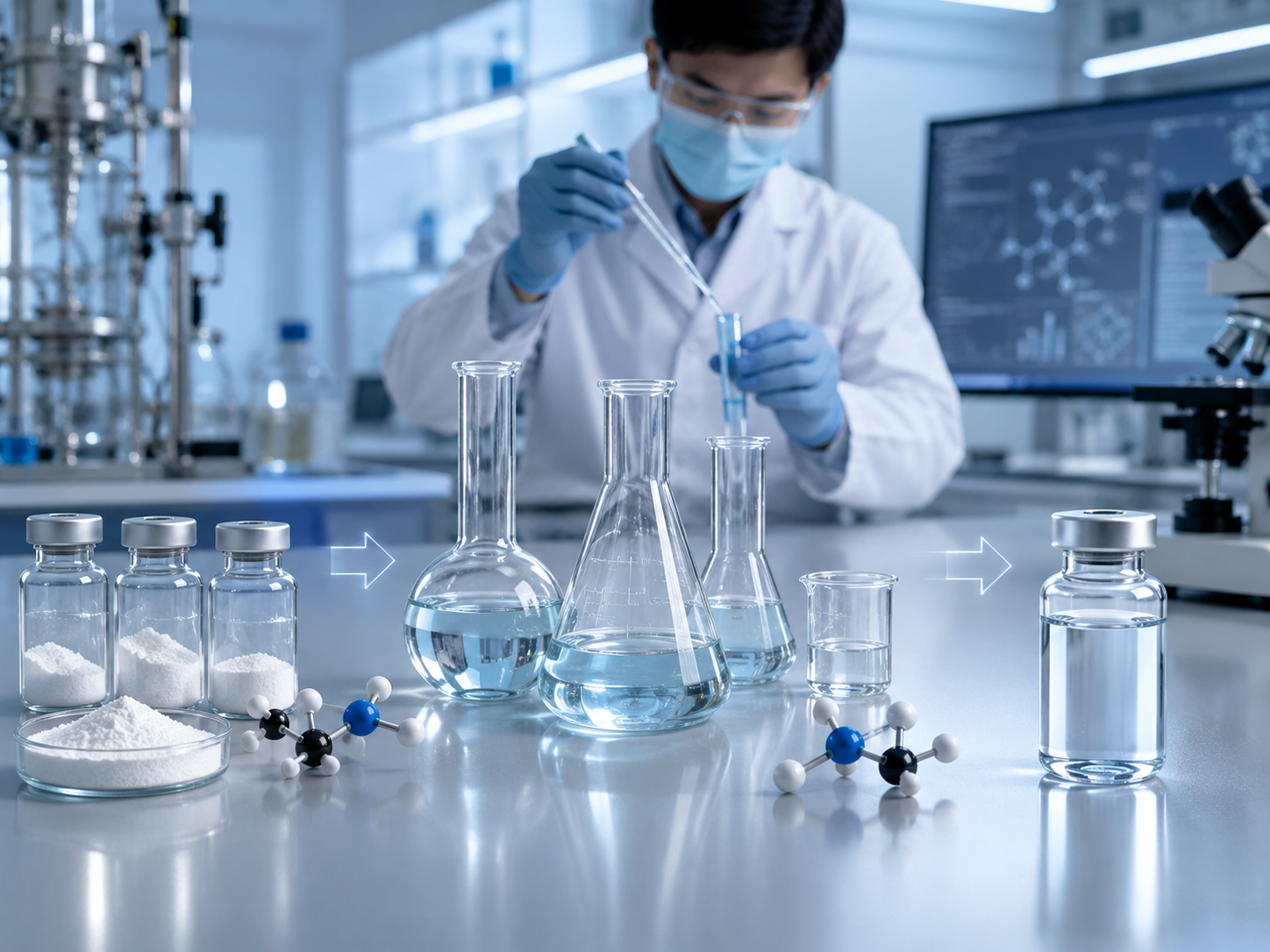
Bromides are versatile and highly reactive organic intermediates essential in modern synthetic chemistry. As key electrophiles, they are widely used in cross-coupling reactions, such as Suzuki, Negashi, and Kumada couplings, to form critical carbon-carbon bonds. Our portfolio includes a wide range of high-purity aryl, heteroaryl, and alkyl bromides, designed to meet the rigorous demands of pharmaceutical, agrochemical, and material science research. We ensure reliable supply, consistent quality, and provide expert technical support to accelerate your development processes.
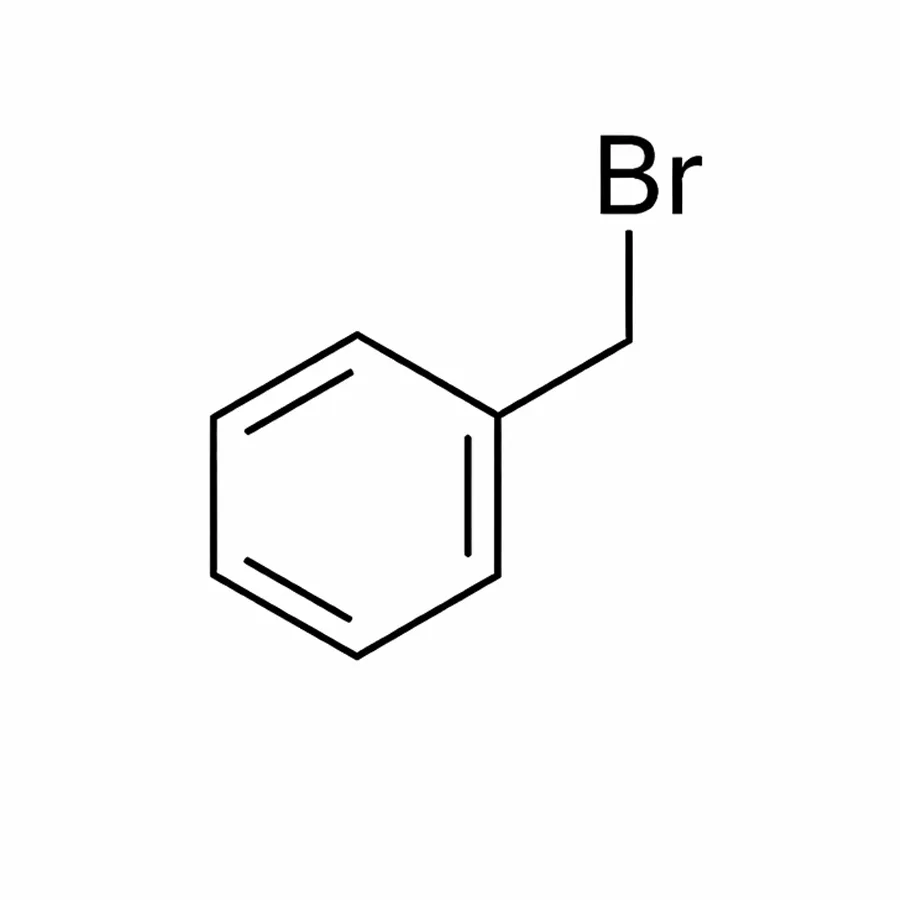
| Name | CAS Number | Molecular Formula | Chemical Structure |
| Bromobenzene | 108-86-1 | C6H5Br | ![]() |
| 4-Bromotoluene | 106-38-7 | C7H7Br | ![]() |
| 3-Bromoanisole | 2398-37-0 | C7H7BrO | ![]() |
| 2-Bromopyridine | 109-04-6 | C5H4BrN | ![]() |
| Benzyl bromide | 100-39-0 | C7H7Br | ![]() |
Bromides serve as powerful electrophiles in organic synthesis, primarily through transition metal-catalyzed cross-coupling reactions like Suzuki and Negishi couplings. Their mechanism involves the oxidative addition of the carbon-bromine bond to a palladium catalyst, a step facilitated by the bond's optimal strength—more reactive than chlorides yet more stable than iodides. This reactivity profile makes them ideal, controllable partners for constructing carbon-carbon bonds. The bromide group is efficiently displaced, enabling the reliable formation of biaryl and complex alkyl-aryl structures, which are foundational scaffolds in pharmaceuticals, agrochemicals, and advanced materials. Their balanced reactivity ensures high yields and excellent functional group tolerance.
Bromides
Bromides are crucial precursors for synthesizing novel anticancer agents, such as β-carbolineum bromides. These compounds exhibit potent cytotoxicity against various cancer cell lines by interacting with DNA through intercalation.
Bromides
Bromides serve as essential coupling partners in palladium-catalyzed cross-coupling reactions, a cornerstone of modern medicinal chemistry. This enables the efficient construction of complex molecular scaffolds found in numerous pharmaceuticals, including targeted therapies.
Bromides
Bromides are key intermediates in producing proton pump inhibitors (PPIs) like omeprazole and pantoprazole, which are vital for treating gastric ulcers and acid-related disorders. Their reactivity allows for the efficient synthesis of the drug's core structure.
B608, #25 Shenbin Rd, Minhang District, Shanghai, China