Levetiracetam intermediates are essential synthetic precursors used in the production of levetiracetam, a widely used anticonvulsant drug for treating partial‑onset seizures, myoclonic seizures, and generalized tonic–clonic seizures. These intermediates, such as (2S)-2-(2‑oxopyrrolidin‑1‑yl)butanoic acid, provide the chiral and functional chemical frameworks required for constructing the final active pharmaceutical ingredient (API) with appropriate stereochemistry and performance characteristics. Designed to support multi‑step chemical synthesis, they facilitate controlled formation of key bonds and enable efficient downstream API assembly. Robust manufacturing processes ensure consistent feedstock quality for research, development, and commercial pharmaceutical production.
Levetiracetam Intermediates Characteristics
Defined Chemical Framework: Provides critical structural features ready for amide bond formation in levetiracetam API synthesis.
Stereochemical Integrity: Supports enantiomeric control necessary for the (S)‑configured levetiracetam API required in anticonvulsant therapy.
Process‑Ready Reactivity: Offers consistent reactivity profiles suitable for controlled multi‑step synthesis under industrial conditions.
Scalable Supply Performance: Manufactured with defined specifications and quality documentation to support R&D and commercial scale production needs.
| Name | CAS Number | Molecular Formula | Molecular Weight(g/mol) | Chemical Structure |
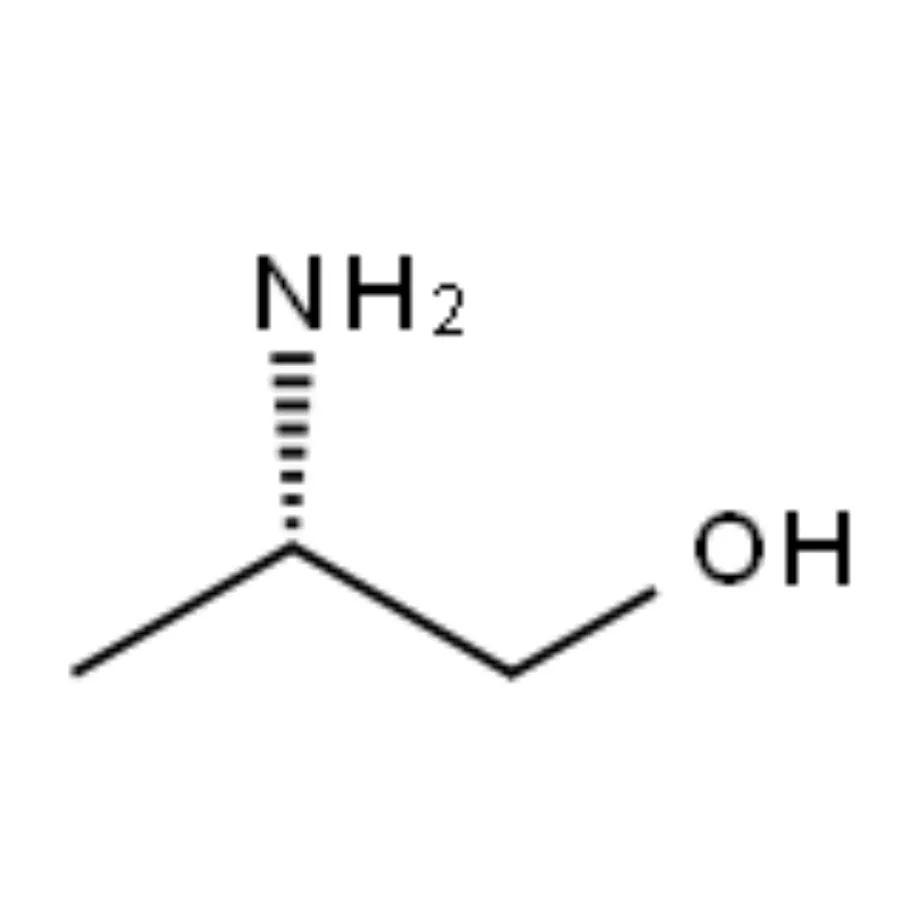
| (S)-2-Aminobutanamide | 2749-11-3 | C3H9NO | 75.11 | ![]() |
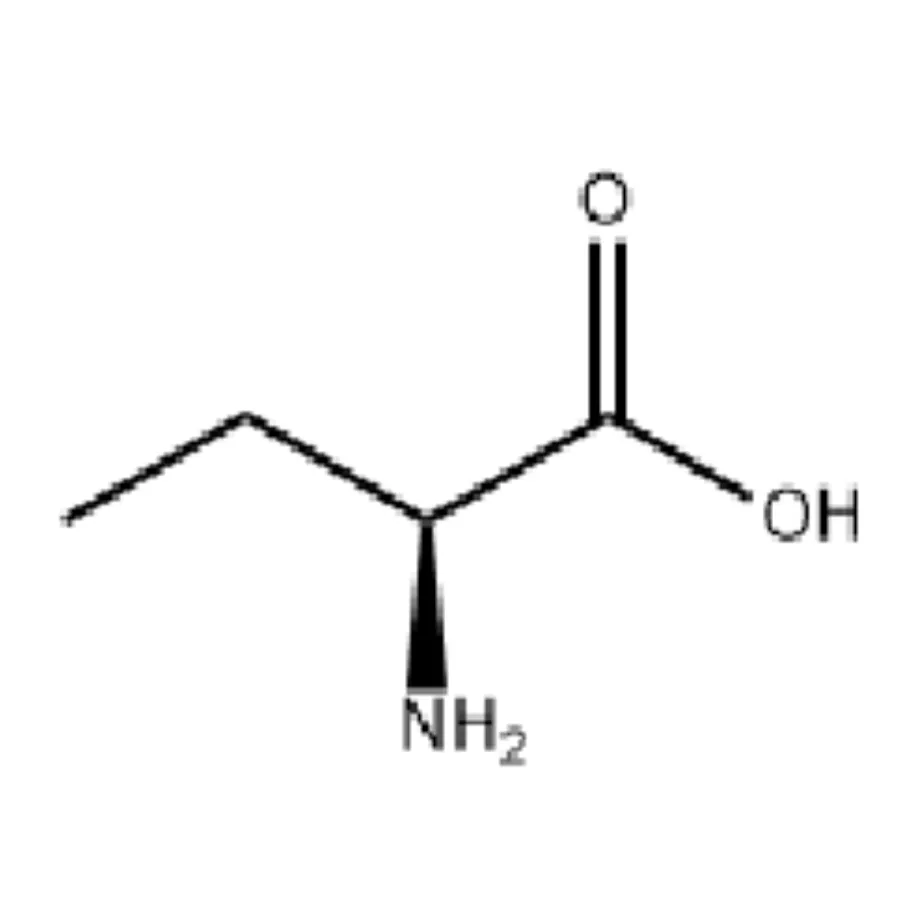
| L-2-Aminobutyric acid | 1492-24-6 | C4H9NO2 | 103.12 | ![]() |
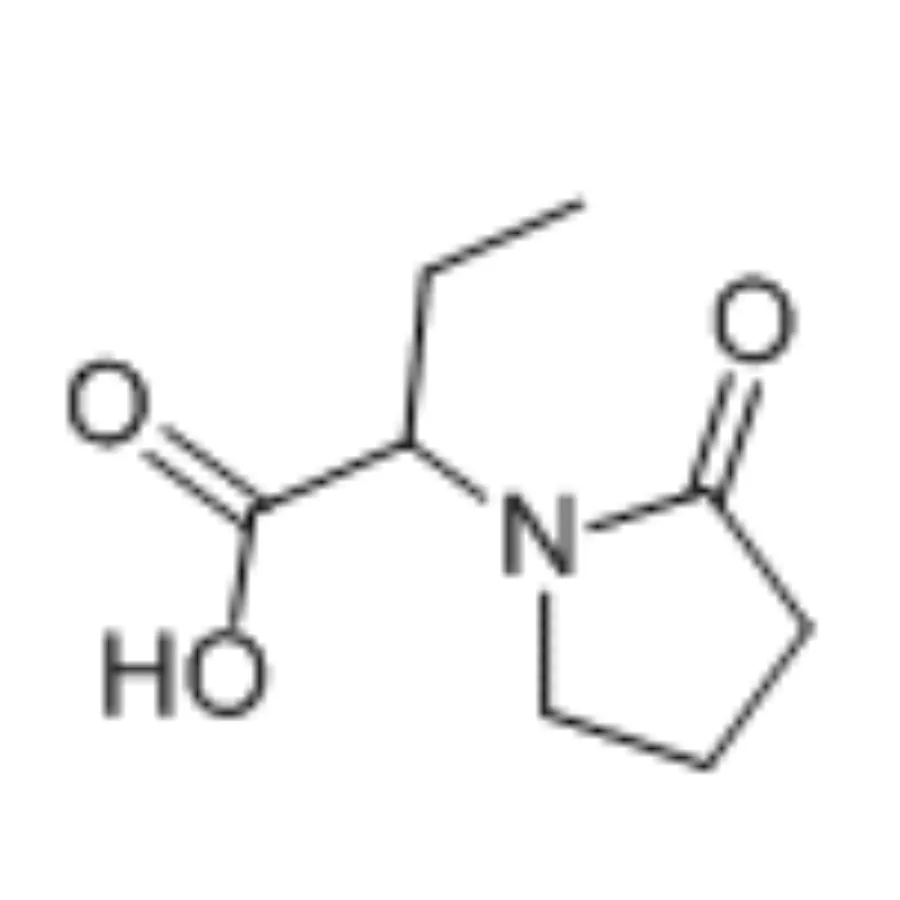
| (2S)-2-(2-Oxopyrrolidin-1-yl)butanoic acid | 102849-49-0 | C8H13NO3 | 171.19 | ![]() |
Levetiracetam intermediates themselves are not pharmacologically active but are essential precursors for the synthesis of levetiracetam, a widely used anticonvulsant for partial-onset seizures, myoclonic seizures, and generalized tonic–clonic seizures. These intermediates provide the chiral and functional scaffolds necessary to construct the final active pharmaceutical ingredient (API) with precise stereochemistry. Levetiracetam exerts its therapeutic effect by binding to the synaptic vesicle protein 2A (SV2A) in the central nervous system. This binding modulates neurotransmitter release, stabilizes neuronal excitability, and reduces the frequency and severity of epileptic seizures. The quality and consistency of these intermediates directly influence the efficiency of API production and its pharmacological effectiveness.
Levetiracetam – Epilepsy Treatment
Intermediate provides essential chiral and functional scaffolds for API synthesis, enabling SV2A binding to modulate neurotransmitter release and reduce seizure activity.
Brivaracetam – Partial-Onset Seizures
Shared intermediates support construction of brivaracetam, allowing precise stereochemistry to target SV2A and stabilize neuronal excitability in epileptic patients.
Next-Generation SV2A Ligands – Neurological Disorders
Key intermediates facilitate synthesis of experimental SV2A modulators, ensuring proper framework for controlled neurotransmitter release and therapeutic efficacy in CNS conditions.
B608, #25 Shenbin Rd, Minhang District, Shanghai, China