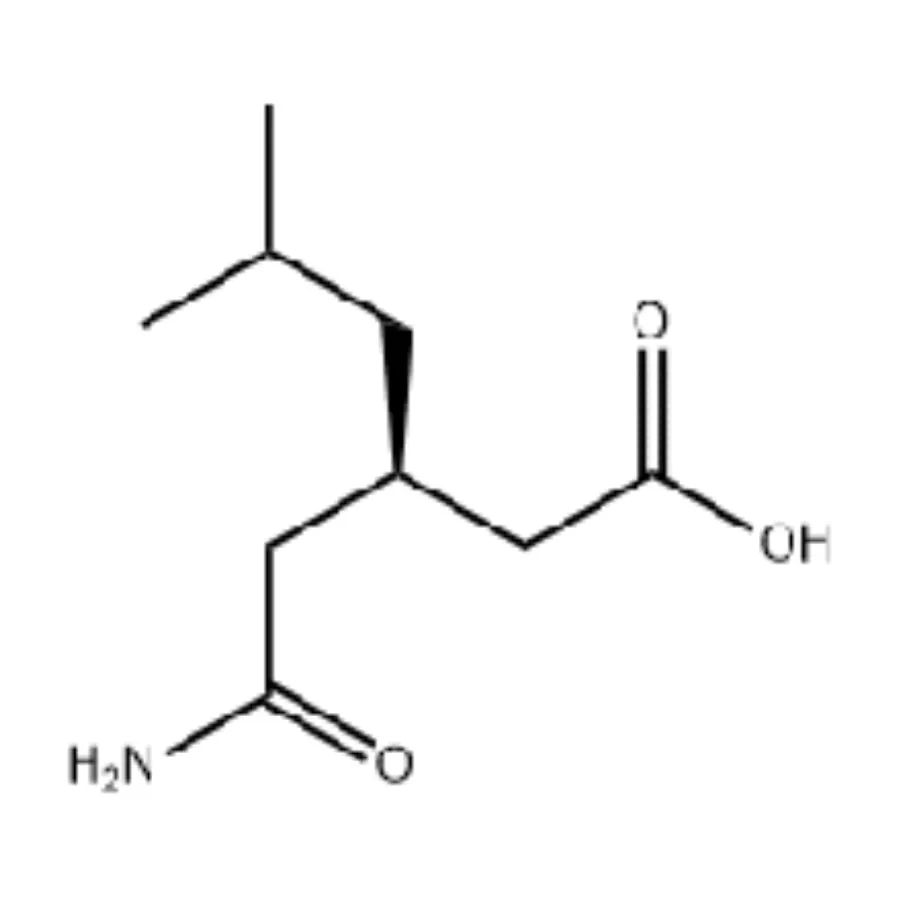
Pregabalin intermediates are indispensable chemical building blocks deployed in the multi‑step synthesis of Pregabalin (Lyrica®), a clinically proven medication for neuropathic pain, epilepsy, and generalized anxiety disorders. These intermediates — including chiral precursors like (R)‑(-)‑3‑(Carbamoylmethyl)‑5‑methylhexanoic acid and related compounds — define the stereochemistry required for the active γ‑aminobutyric acid analogue. Their controlled synthesis supports downstream API construction by providing well‑characterized functional groups and structural frameworks necessary for efficient conversions, regulatory compliance, and consistent manufacturing performance in neurotherapeutic production workflows.
Pregabalin Intermediates Characteristics
Stereochemistry Assurance: Provides the precise chiral framework essential for synthesizing the therapeutically active form of pregabalin.
Process Compatibility: Designed for seamless integration into diverse synthetic routes, supporting reproducible downstream API synthesis steps.
Functional Versatility: Offers multiple reactive sites that enable efficient transformations in advanced intermediate construction.
Manufacturing Reliability: Developed with consistent specifications to support scalable production and regulatory compliance for CNS drug manufacturing.
| Name | CAS Number | Molecular Formula | Molecular Weight(g/mol) | Chemical Structure |
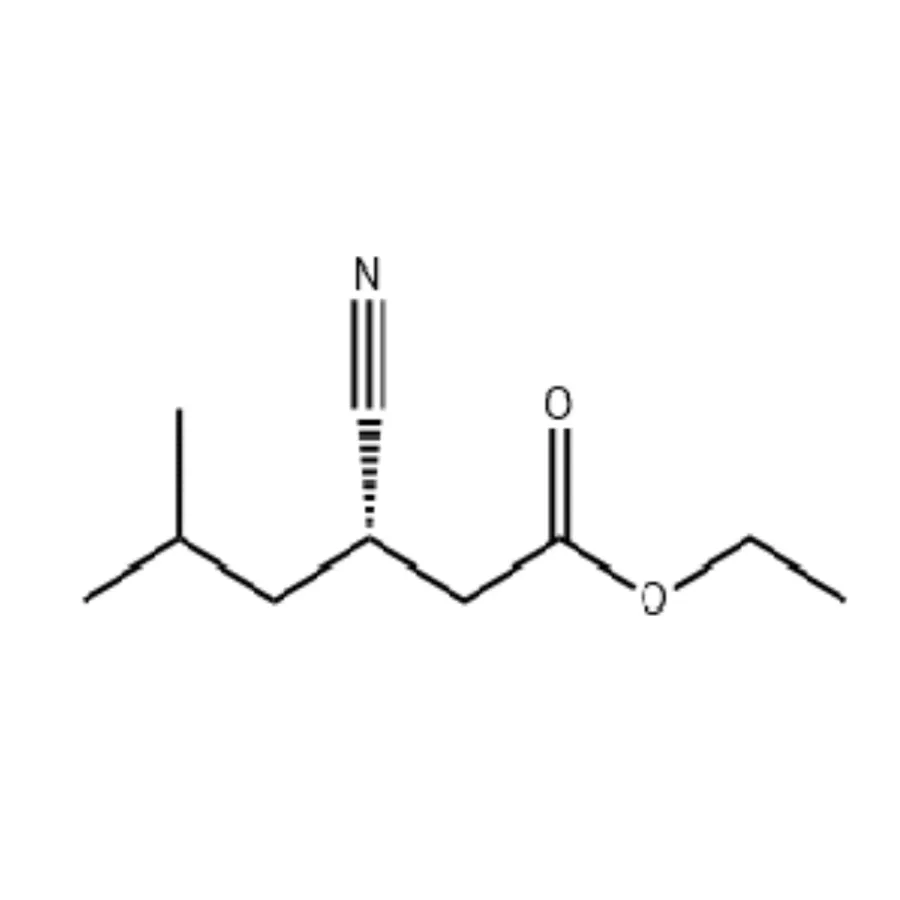
| (S)-3-Cyano-5-methylhexanoic acid ethyl ester | 181289-39-4 | C10H17NO2 | 183.25 | ![]() |

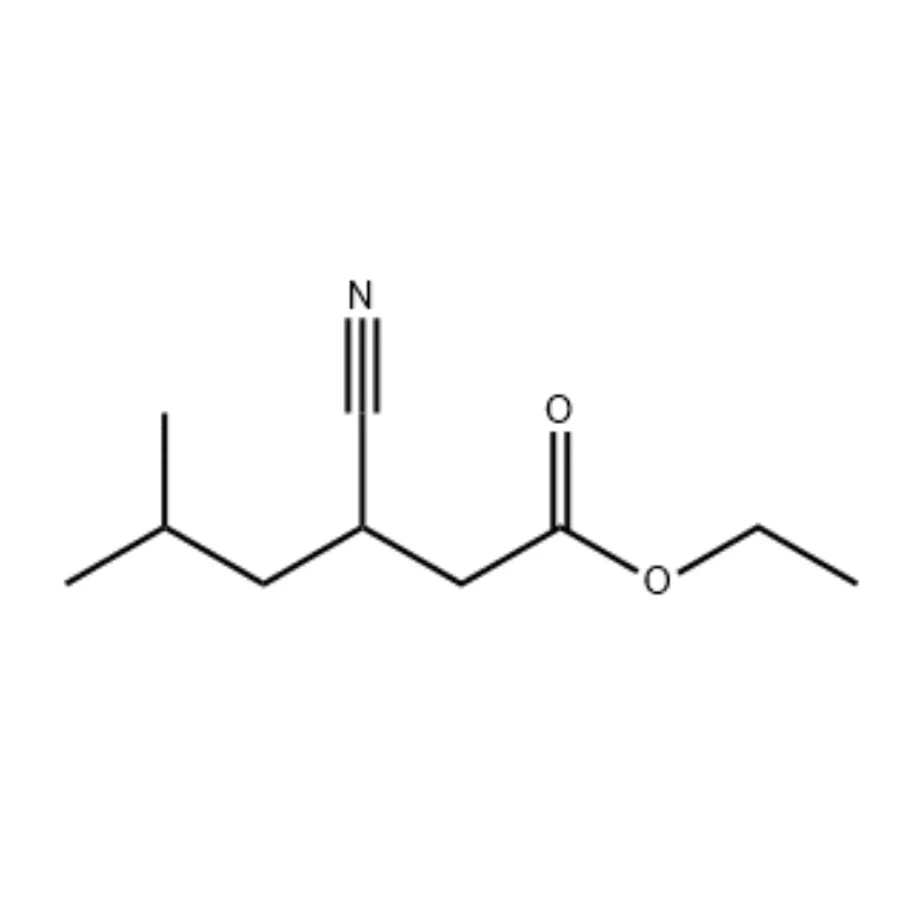
| Ethyl 3-cyano-5-methylhexanoate | 181289-17-8 | C10H17NO2 | 183.25 | ![]() |

| (R)-3-Carbamoymethyl-5-methylhexanoic acid | 181289-33-8 | C9H17NO3 | 187.24 | ![]() |

Mechanism of Action (Pregabalin Intermediates – Technical Description):
Pregabalin intermediates themselves are not pharmacologically active but are essential for constructing the pregabalin API, a derivative of gamma‑aminobutyric acid used in neuropathic pain, epilepsy, and anxiety disorders. Pregabalin binds with high affinity to the α2‑δ subunit of presynaptic voltage‑gated calcium channels in the central nervous system, distinct from traditional GABA receptors. This binding reduces calcium influx at nerve terminals, which in turn decreases the release of excitatory neurotransmitters such as glutamate, norepinephrine, and substance P, thereby lowering neuronal hyperexcitability associated with pain and seizure activity. The consistent formation of the active API from intermediates is crucial for achieving this mechanism in clinical use.
Pregabalin (Lyrica®) – Neuropathic Pain
Intermediate provides the chiral scaffold necessary for pregabalin synthesis, enabling modulation of α2‑δ calcium channels to reduce excitatory neurotransmitter release.
Gabapentin Analogs – Epilepsy & Anxiety
Shared intermediates support synthesis of gabapentin derivatives, facilitating proper stereochemistry to modulate presynaptic calcium influx, lowering neuronal hyperexcitability.
Next‑Generation α2‑δ Ligands – Pain Management
Key chemical intermediates allow precise API construction for experimental α2‑δ subunit ligands, ensuring effective calcium channel binding and downstream analgesic activity.
B608, #25 Shenbin Rd, Minhang District, Shanghai, China