English
 中文
中文

Pharmaceutical intermediates are chemical compounds produced during the multi-step synthesis of an active pharmaceutical ingredient, or API. They are not normally the final drug substance. Instead, they act as transitional materials that undergo one or more additional chemical reactions before becoming an API.
In pharmaceutical manufacturing, a complex drug molecule is rarely produced through a single reaction. Manufacturers typically convert raw materials through several controlled stages. Each stage may generate a different intermediate with its own chemical structure, purity requirements, storage conditions and role in the synthesis route.
Understanding pharmaceutical intermediates is important for API manufacturers, pharmaceutical companies, CDMOs and research organizations because intermediate quality can affect downstream reaction performance, impurity control, process consistency and final API quality.
What Are Pharmaceutical Intermediates?
A pharmaceutical intermediate is a material formed during the synthesis of an API and subsequently transformed into another intermediate or the final active ingredient.
Unlike the final API, a pharmaceutical intermediate is generally not intended to provide the therapeutic effect of the finished medicine. Its main purpose is to enable the controlled construction of the final active molecules.
Where Do Intermediates Fit in Pharmaceutical Manufacturing?
Pharmaceutical intermediates occupy the middle stages of a synthetic route. Their position can be understood by looking at the main material categories involved in drug production.
| Material Category | Primary Role | Typical Position in Production |
| Raw material | Provides basic chemical input | Beginning of the supply chain |
| Starting material | Introduces an important structural element | Early stage of API synthesis |
| Pharmaceutical intermediate | Undergoes further chemical transformation | Middle stage |
| Advanced intermediate | Has a structure relatively close to the target API | Later stage |
| API | Provides the intended pharmacological activity | Final drug-substance stage |
| Finished dosage form | Delivers the API to the patient | Tablet, capsule, injection or another formulation |
What Are the Main Types of Pharmaceutical Intermediates?
Pharmaceutical intermediates can be classified in several ways. The most useful classification method depends on whether the buyer is evaluating the synthesis stage, chemical structure, therapeutic application or manufacturing complexity.
Basic Pharmaceutical Intermediates
Basic intermediates are generally produced during the earlier stages of a synthetic route. They may have relatively simple structures and can sometimes be used in several pharmaceutical or fine chemical applications.
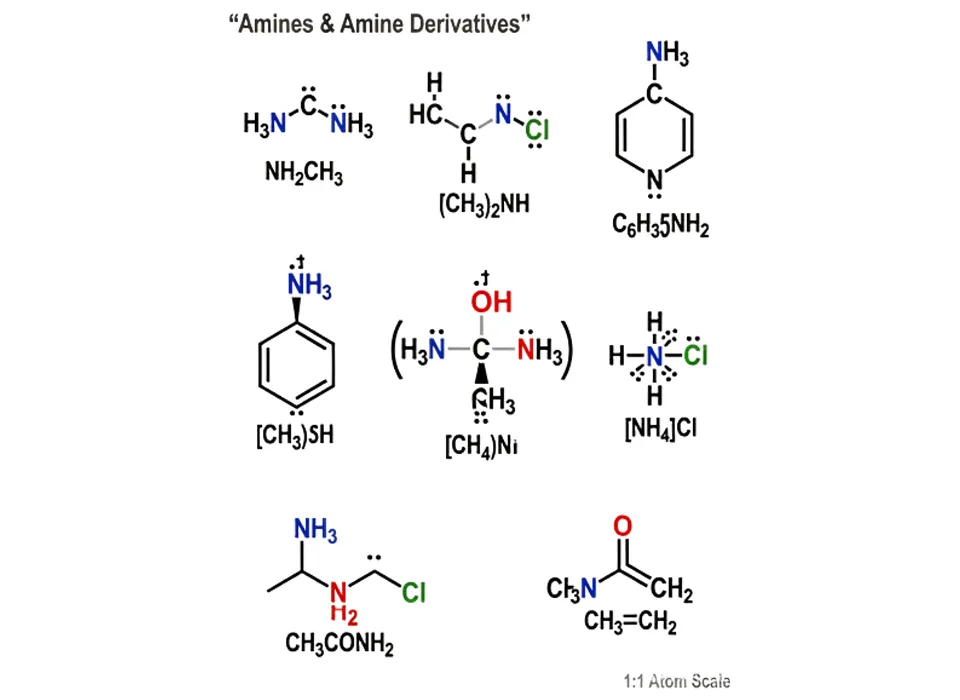
These products may include substituted aromatic compounds, carboxylic acid derivatives, amines and basic heterocyclic building blocks.
Advanced Pharmaceutical Intermediates
Advanced pharmaceutical intermediates are produced closer to the final API stage. Their structures normally contain a larger proportion of the final drug molecule and may require tighter controls over impurities, stereochemistry and batch consistency.
Because advanced intermediates can be tailor-made for specific routes, changes in their quality may directly affect the final stages of API synthesis.
YSCHEME supplies and develops different categories of pharmaceutical intermediates for API development, process optimization and project-based manufacturing.
Chiral Intermediates
Chiral intermediates contain one or more stereocenters. In many pharmaceutical projects, only a specific stereoisomer is required for subsequent API synthesis.
The manufacture of chiral intermediates may involve:
Asymmetric synthesis
Chiral catalysts
Enzymatic reactions
Chiral resolution
Stereoselective purification
Controlling enantiomeric purity is important because unwanted stereoisomers may behave differently during later reactions or become difficult-to-remove impurities.
Heterocyclic Intermediates
Heterocyclic compounds contain ring structures with atoms such as nitrogen, oxygen or sulfur. These structures are frequently used in pharmaceutical research because they can influence molecular shape, polarity and interactions with biological targets.
Common structural classes include:
Pyridine intermediates
Pyrimidine intermediates
Piperazine intermediates
Indole derivatives
Fused-ring compounds
Halogenated and Fluorinated Intermediates
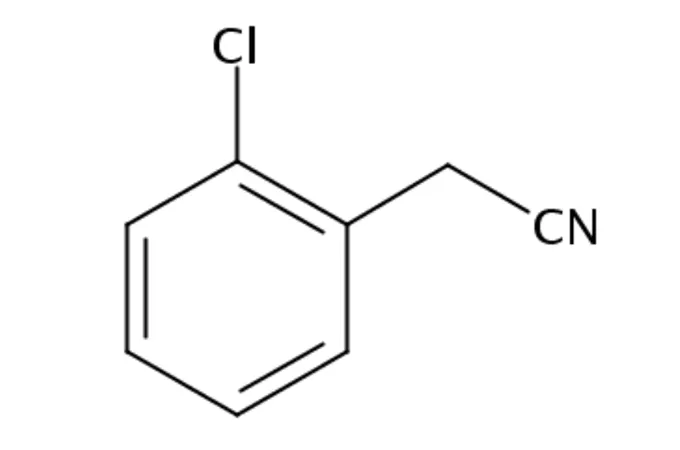
Halogenated intermediates contain fluorine, chlorine, bromine or iodine. These compounds may be used to introduce functional groups, support coupling reactions or modify the properties of a target molecule.
Fluorinated intermediates are particularly important in many modern synthetic routes because carbon-fluorine bonds can significantly influence molecular stability, lipophilicity and metabolic behavior.
Therapeutic-Area Intermediates
Pharmaceutical intermediates may also be grouped according to their downstream therapeutic applications, such as:
This type of classification can help pharmaceutical buyers identify suppliers with experience in chemistry and quality requirements relevant to a particular drug-development program.
Examples of Pharmaceutical Intermediates in Drug Synthesis
The exact identity of an intermediate depends on the API route selected by the manufacturer. However, several product groups illustrate how intermediates support pharmaceutical synthesis.
Calprotectin-Related Intermediates
Calprotectin derivatives and related intermediates may be used in the synthesis of oncology compounds. Their production can involve multiple functional-group transformations and careful control of structurally related impurities.
A supplier supporting these projects may need to manage:
Complex fused-ring chemistry
Sensitive functional groups
Purification of closely related compounds
Batch-to-batch impurity consistency
Route-dependent specifications
Lenvatinib Intermediates
Lenvatinib synthesis involves several structural components that must be assembled through a controlled sequence. Related intermediates may include substituted aromatic, quinoline and urea-building components.
For project buyers, the commercial name of the intermediate alone is not enough. The required specification should also define chemical identity, purity, critical impurities and any route-specific quality attributes.
Atorvastatin Intermediates
Atorvastatin-related synthesis may require advanced chiral intermediates. Stereochemical control is especially important because an unsuitable isomeric profile may affect downstream processing and final API quality.
Pregabalin Intermediates
Pregabalin intermediates provide another example of the importance of stereochemistry. Process design may need to address chiral purity, reaction selectivity, crystallization behavior and scalable purification.
Anti-Infective Intermediates
Intermediates used in the production of anti-infective APIs may include heterocyclic compounds, halogenated building blocks and functionalized aromatic derivatives.
Why Are Pharmaceutical Intermediates Important?
Pharmaceutical intermediates are essential in API synthesis because the quality of each stage directly affects subsequent steps and the final product.
1.Downstream Reaction Performance
Intermediates with inconsistent purity, moisture, or physical properties can reduce reaction conversion, selectivity, and isolation efficiency in later stages.
2. Impurity Profile Control
Impurities formed during intermediate stages often carry forward. Understanding their origin and fate is critical for effective purification and regulatory compliance.
3.Production Yield and Cost Efficiency
Poorly optimized intermediates can lead to:
Low conversion rates
Difficult filtration
Excessive solvent use
Repeated purification
Long cycle times
High waste generation
Unstable yields
Well-designed intermediate steps significantly improve overall API route efficiency and reduce manufacturing costs.
4. Scale-up and Commercial Manufacturing
Laboratory reactions often behave differently at larger scales due to changes in heat transfer, mixing, addition rates, and crystallization. Therefore, commercial feasibility should be considered from the early stages of intermediate development.
How to Select a Pharmaceutical Intermediate Supplier?
A suitable supplier should be evaluated on more than product availability and price.
Technical understanding
Can the supplier explain the material’s role in the synthesis route and identify critical quality attributes?
Analytical capability
Can the supplier test identity, assay, impurities and route-specific parameters using appropriate methods?
Process consistency
Is the manufacturing process controlled well enough to produce comparable batches?
Scale-up experience
Can the supplier move from laboratory development to pilot and commercial production?
Documentation
Are specifications, COAs, SDSs and other agreed documents complete and consistent?
Change management
Will the supplier communicate material, process or manufacturing-site changes before implementation?
Supply reliability
Are raw-material sourcing, production scheduling, packaging and export delivery adequately managed?
Technical communication
Can the supplier respond clearly when specifications, impurities or process conditions require discussion?
For custom projects, confidentiality, intellectual-property handling and project milestone management should also be reviewed.
Conclusion
Pharmaceutical intermediates are the chemical compounds produced between starting materials and final APIs during drug synthesis. They may be classified by synthesis stage, structure, therapeutic field or manufacturing complexity.
Their quality influences downstream reactions, impurity control, production yield, scale-up and final API consistency. Pharmaceutical companies should therefore evaluate not only the chemical identity of an intermediate but also its specification, analytical data, manufacturing process and supply reliability.
YSCHEME supplies pharmaceutical and fine chemical intermediates and supports custom, route-dependent and project-based requirements. Contact the YSCHEME team to discuss product specifications, scale-up requirements or a tailor-made intermediates project.
Frequently Asked Questions About Pharmaceutical Intermediates
What are pharmaceutical intermediates?
Pharmaceutical intermediates are compounds formed during the multi-step synthesis of an active pharmaceutical ingredient. They undergo further chemical reactions before becoming the final API and are generally not used directly as finished medicines.
What is an example of a pharmaceutical intermediate?
Examples include chiral building blocks used in atorvastatin-related synthesis, heterocyclic intermediates used in oncology projects and route-specific compounds used to construct pregabalin, lenvatinib or anti-infective APIs.
What are intermediates in pharma manufacturing?
In pharma manufacturing, intermediates are transitional chemical materials produced after one reaction stage and consumed in a later stage. They connect starting materials with advanced intermediates and the final active pharmaceutical ingredient.
Are pharmaceutical intermediates the same as APIs?
No. An API is an active substance intended to provide the therapeutic effect of a medicine. A pharmaceutical intermediate is normally processed further before the final API is obtained.
What are advanced pharmaceutical intermediates?
Advanced pharmaceutical intermediates are compounds produced during the later stages of API synthesis. Their structures are usually closer to the final API, and they may require tighter control of impurities, stereochemistry and batch consistency.
Why is the purity of a pharmaceutical intermediate important?
Intermediate purity can affect reaction performance, downstream purification and the impurity profile of the final API. An appropriate specification should consider both overall purity and the specific impurities that may affect the next synthesis stage.
What documents should a pharmaceutical intermediate supplier provide?
Depending on the project, buyers may request a specification sheet, Certificate of Analysis, SDS, analytical data, packaging information, storage requirements and traceability records. Additional documentation may be agreed on customs or advanced intermediates.
Can pharmaceutical intermediates be custom manufactured?
Yes. Custom pharmaceutical intermediates can be developed when a product is not available from a standard catalog or when the customer requires a proprietary route, project-specific specification, special impurity controls or scale-up support. YSCHEME provides tailor-made drug intermediate solutions designed to meet the unique requirements of pharmaceutical and API manufacturers.