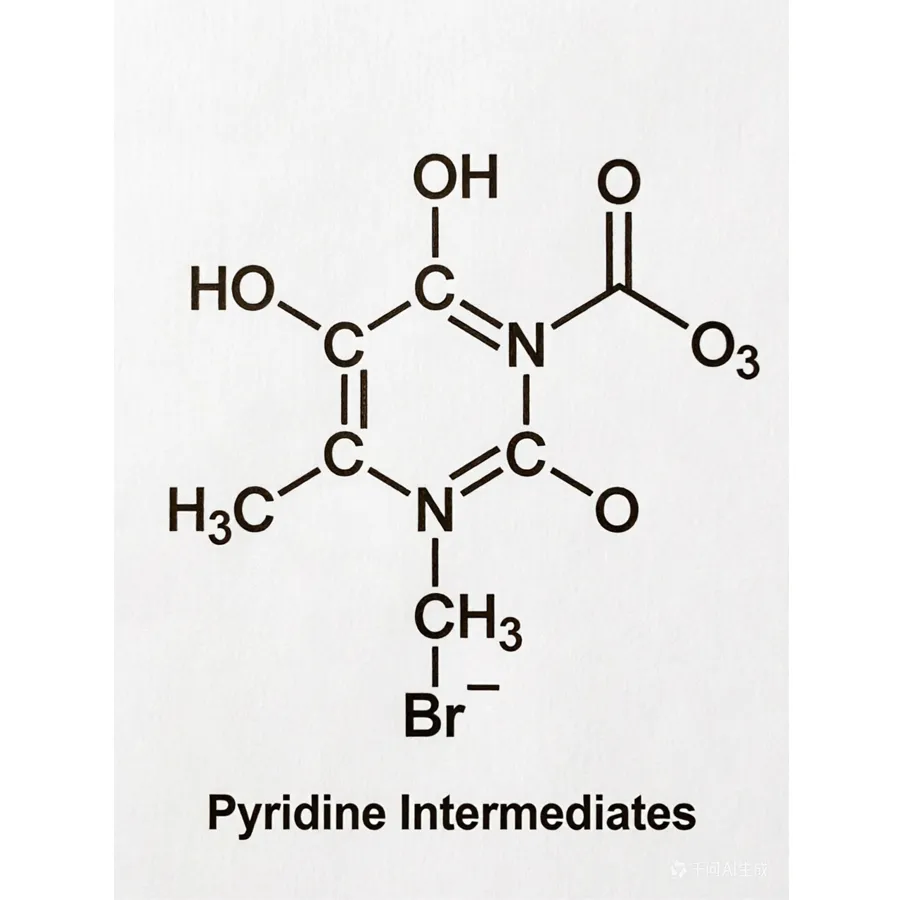
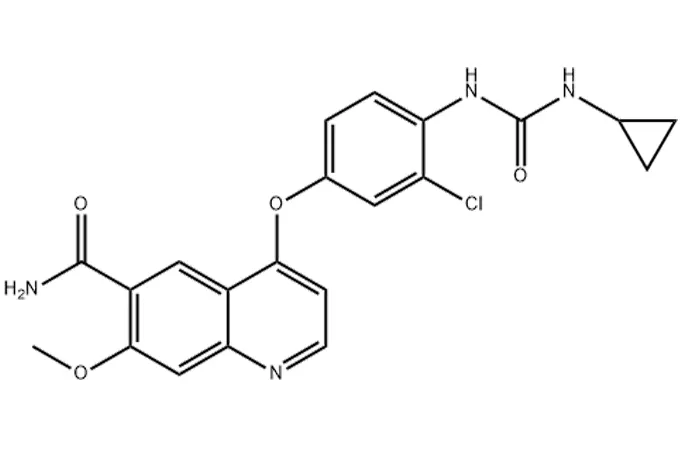
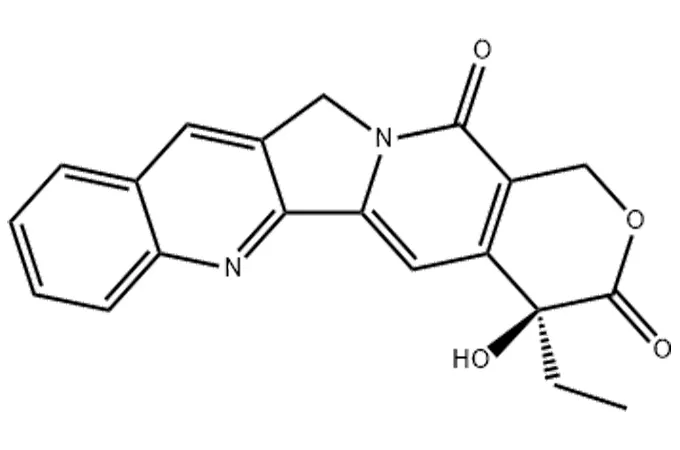
Pyridine intermediates are a pivotal class of heterocyclic organic compounds in modern synthetic chemistry and industrial manufacturing. Valued for their unique six-membered aromatic ring structure containing a nitrogen atom and excellent chemical reactivity, they are primarily employed as core intermediates and key structural motifs in the synthesis of bioactive molecules, fine chemicals, and advanced functional materials. This makes them indispensable for the development of complex compounds with pharmaceutical, agricultural, industrial, and material science value. Our portfolio offers a wide selection of pyridine intermediates, including alkyl pyridines, halogenated pyridines, amino pyridines, and specialized derivatives such as cyclic pyridine derivatives, pyridine n-oxides, and polycyclic pyridine analogues, to meet diverse research and manufacturing needs. We ensure high purity, reliable batch-to-batch consistency, and expert technical support, serving the pharmaceutical, agrochemical, material science, and fine chemical industries. For specialized requirements, our custom synthesis services can develop tailored solutions to accelerate your r&d and manufacturing processes, leveraging advanced synthesis technologies to deliver high-performance products aligned with your specific applications.
 English
 中文
中文